Kawai Cat Embroidery Design Review
A First Look at Kawai Cat
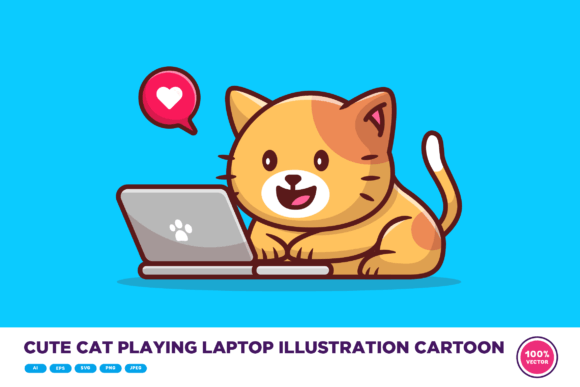
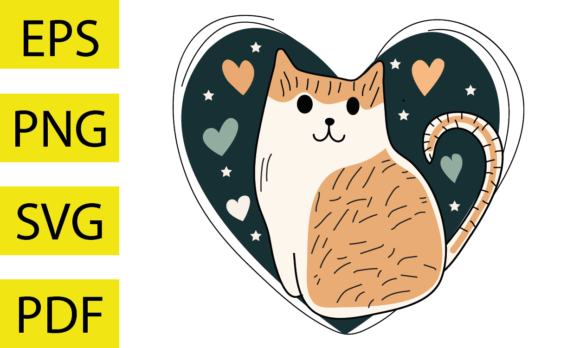
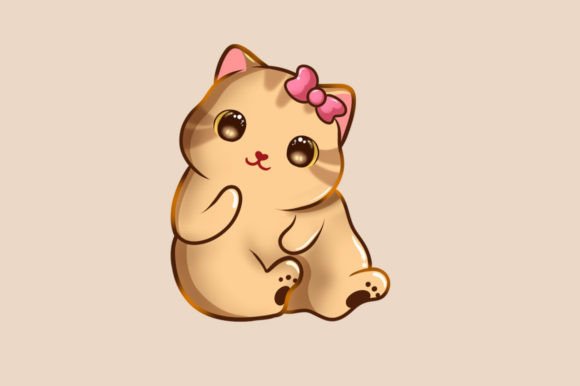
At first glance, Kawai Cat feels like a gentle whisper of charm and whimsy. The design captures the essence of a playful feline with soft curves and expressive features that instantly evoke warmth and affection. It’s not overly detailed, which makes it feel approachable, yet there’s enough character in the eyes and posture to give it personality. This kind of balance is exactly what you want in an embroidery design meant for a range of handmade products.
The theme is clearly centered around cuteness, making it ideal for projects aimed at younger audiences or those who appreciate a touch of innocence and joy. The layout is simple but effective, allowing the cat to be the focal point without overwhelming the fabric or design space. I can see this working well on tote bags, baby clothes, or even as an embroidered patch on a jacket.
Real-World Use: Customizing a Tote Bag
Let’s imagine a scenario where I need to create a custom embroidered tote bag for a small shop. Kawai Cat would be a perfect candidate. Its size is manageable, and the design doesn’t require too much intricate stitching, which is great for beginners and experienced embroiderers alike.
I’d start by testing it on scrap fabric to see how the stitch density plays out. Since it's a machine embroidery design, the file format options—like SVG and PNG—make it easy to import into embroidery software. The detail level is just right; it won’t get lost on a larger surface but also doesn’t demand excessive thread colors or stabilizer layers.
One thing to note is that the design works best on light-colored fabrics. If I were to use it on a dark tote bag, I might need to adjust the thread color contrast or consider using a white or light-colored stabilizer to ensure the cat stands out. For a commercial embroidery project, this adaptability is key—it means the design can be tailored to different customer preferences and product types.
Where to Use Kawai Cat with Caution
While Kawai Cat is versatile, there are certain situations where extra care should be taken. Small hoop sizes could pose a challenge, especially if the design needs to be resized significantly. In such cases, checking the stitch density and ensuring that no details get lost during resizing is essential.
Textured or stretchy fabrics may also affect the final look. The soft curves of the cat might distort slightly on a stretchy material unless a proper stabilizer is used. Additionally, if the design is being used on curved surfaces like caps or hats, the placement and alignment will need precise attention to maintain the cat’s recognizable shape.
For projects requiring frequent washing, like pillow covers or kitchen towels, I’d recommend using a high-quality stabilizer and ensuring the design isn’t too dense. Dense stitch areas can lead to puckering over time, so it’s worth testing on a sample before committing to a full batch.
Visual Appeal and Practical Value
Kawai Cat adds a sense of visual appeal that can elevate any handmade product. Whether it’s a personalized gift or a boutique item, the design brings a friendly and inviting vibe that customers are likely to respond to. It’s subtle enough to complement other design elements but bold enough to stand out as a feature.
From a professional standpoint, the design contributes to brand consistency and customer trust. When used consistently across products, it helps build recognition and professionalism. As an Etsy seller or craft business owner, having a go-to design like this can streamline your workflow and help maintain a cohesive look across your inventory.
Its versatility also makes it a great asset for digital product sellers. A printable mockup with Kawai Cat can serve as a preview for clients or buyers, giving them a clear idea of what the finished product will look like. This can boost buyer engagement and reduce returns or misunderstandings.
Design Notes for Embroidery Professionals
Before using Kawai Cat in any real project, I always recommend testing it on scrap fabric first. This allows you to check how the stitch density looks and whether the thread colors work well with your chosen fabric. Reviewing the design in black and white mockups can also help identify potential issues with contrast or detail visibility.
It’s important to confirm the hoop size required for the design and make sure your machine is compatible with the file formats provided. While the design is available in multiple formats, including AI and DXF, double-checking these details ensures smooth integration into your workflow.
Lastly, always confirm the licensing terms before selling finished items or digital products. Understanding what you can and cannot do with the design protects both you and your business from legal complications down the line.
Overall, Kawai Cat is a solid choice for anyone looking to add a touch of charm and personality to their embroidery projects. With careful consideration and proper preparation, it can become a favorite in your design arsenal.