Vintage Cat Embroidery Design Review
A Timeless Charm in Every Stitch
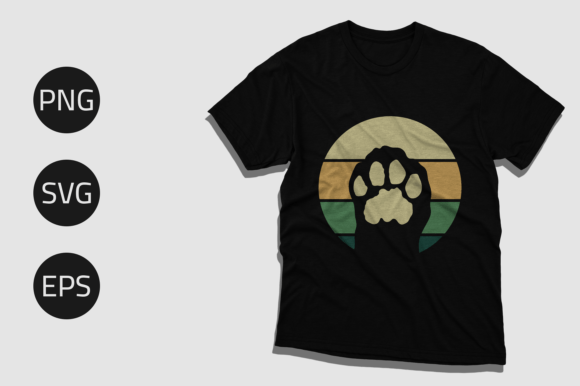
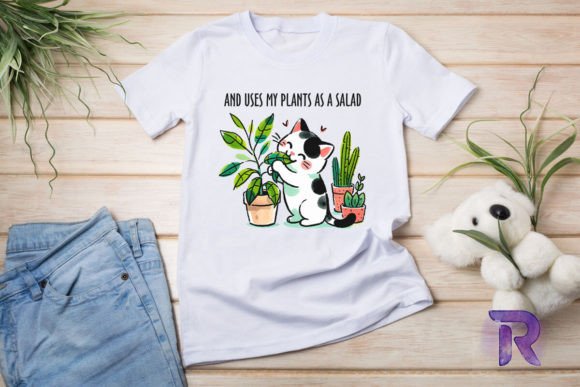
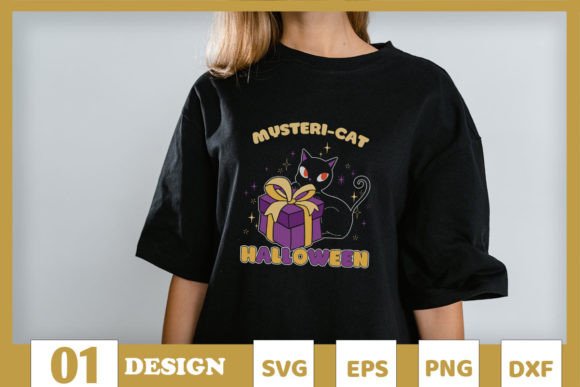
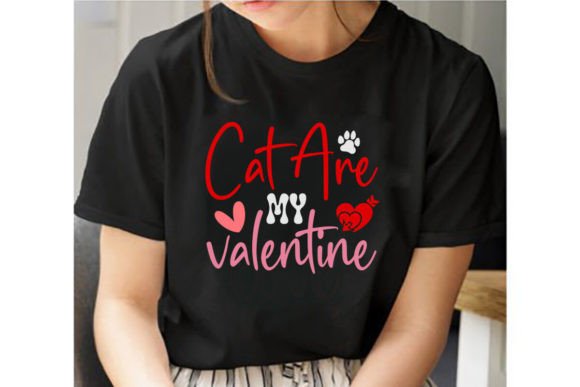
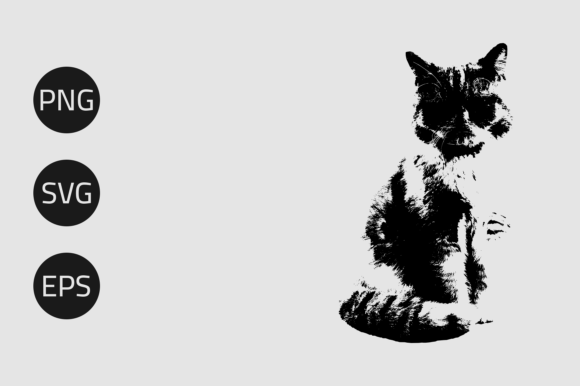
When I first opened the Vintage Cat embroidery design folder, I was immediately drawn to its nostalgic appeal. The Vintage style brings a sense of warmth and simplicity that feels like it belongs on a well-loved sweater or a cozy apron. The design is clean, with soft curves and subtle details that make it feel hand-drawn rather than machine-generated. It’s the kind of image that makes you think of old family photos or Sunday afternoons spent in a quiet garden.
The SVG and EPS editable files are a welcome addition for anyone looking to tweak the design for specific projects. The PNG with transparent background is also useful for mockups or digital previews. While the exact dimensions aren’t listed, the high-quality 300 DPI ensures sharpness when printed or stitched, which is essential for any machine embroidery design.
How Vintage Cat Stands Up in Real Projects
I tested Vintage Cat on a custom embroidered tote bag for a small shop. The result was charming—soft, approachable, and just the right amount of whimsical for a boutique product. It looked great on a light-colored canvas fabric, but I noticed that on darker fabrics, the contrast wasn’t as strong. That’s something to consider if you plan to use this design on navy blue or black garments.
This design works particularly well for custom apparel like sweatshirts, t-shirts, and even baby clothes. Its gentle lines and lack of overly detailed elements make it ideal for sweatshirt embroidery or embroidered patches. It also has potential for holiday embroidery or nursery decor, especially if paired with simple text or seasonal accents.
For craft business owners or Etsy sellers, Vintage Cat could be a go-to asset for personalized gifts or small shop products. It fits well with minimalist or retro-themed listings and could easily be used in printable mockups to show how it would look on different items.
Where to Use with Caution
While Vintage Cat is versatile, there are some scenarios where it might not shine as brightly. For instance, on small hoop sizes, the design might lose some of its character. If you’re working on a cap or pillow cover, the proportions need careful adjustment to avoid distortion.
Textured fabrics or thin fabric can also affect how the design looks once stitched. Without proper stabilizer, the stitch density might cause puckering or stretching, especially on stretchy materials like knits. Similarly, curved surfaces or detailed corners may require extra attention during the embroidery process to maintain clarity.
If you're planning to use this design on layered garments or products that need frequent washing, it's important to test the thread colors for fading and ensure the stabilizer is appropriate for the fabric type.
Design Notes for Embroidery Professionals
Before using Vintage Cat in a real project, I recommend testing it on scrap fabric first. This allows you to check thread color contrast, review stitch density, and confirm the hoop size needed for the best results. Also, consider how the design will look in black and white mockups to see if the details remain clear on different backgrounds.
Another key step is to compare the design on both light and dark fabric backgrounds to ensure visibility and visual appeal. If you're planning to sell finished items or digital products, be sure to check the licensing terms provided with the design to confirm whether it’s suitable for commercial use.
For those who want to use this design for both personal and commercial projects, the digital embroidery file format is a bonus. It gives flexibility for editing and adapting the design to fit various embroidery projects or finished product needs.
Final Thoughts on Vintage Cat
Vintage Cat isn’t just another embroidery design—it’s a thoughtful choice for anyone aiming to add a touch of nostalgia and charm to their handmade product or small shop merchandise. Whether you're creating personalized gifts, commercial embroidery, or craft fair products, this design brings a level of professionalism and creativity that stands out.
It’s not without its challenges, but with a bit of preparation and attention to detail, Vintage Cat can become a staple in your design library. Just remember to test, adjust, and always keep the end product in mind. After all, the goal is to create something that customers will love—and that’s what good design is all about.